 By admin
Your outdoor space is more than the area surrounding your house. It’s an extension of your home that can provide room for relaxation, recreation, entertaining, and everyday activities. Thoughtful outdoor improvements can make your property more functional, improve its appearance, and address maintenance or safety concerns.
However, not every outdoor renovation delivers the same benefits. The right improvements depend on your property’s condition, local climate, available budget, and how you intend to use the space. Some projects solve practical problems, while others create opportunities to enjoy your home in new ways.
Whether you’re planning a complete backyard transformation or upgrading individual features, understanding your options can help you make informed decisions. These 10 outdoor home improvements offer practical ways to enhance your property while considering long-term maintenance, comfort, and value.
1. Create a Backyard Retreat With a Swimming Pool
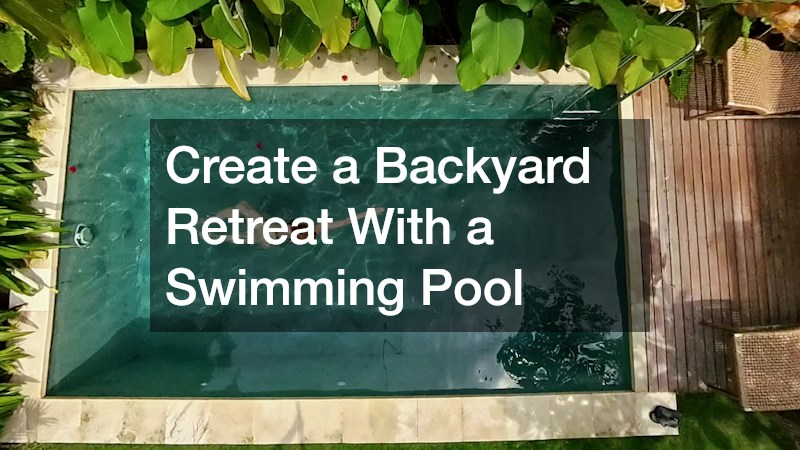
A swimming pool can transform an ordinary backyard into a recreational space for exercise, entertaining, and family activities. However, installing a pool requires careful planning to ensure the finished project fits your property and lifestyle.
Evaluate Your Property Before Choosing a Design
Consider your available space, soil conditions, drainage, and accessibility before selecting a pool. Local pool contractors can evaluate these factors and explain how they affect installation options.
Common swimming pool types include:
- Fiberglass pools: Prefabricated shells that typically offer faster installation and relatively straightforward maintenance.
- Concrete pools: Customizable designs that accommodate unusual shapes, depths, and property layouts.
- Vinyl liner pools: Often have lower initial costs but require periodic liner replacement.
Remember to include surrounding decking, fencing, landscaping, and equipment when calculating your overall budget.
Compare Installation Costs and Long-Term Expenses
Finding the best local pool builder involves reviewing more than the initial estimate. Request detailed proposals identifying materials, equipment, labor, permits, and additional expenses.
Ask about warranties, maintenance requirements, energy-efficient pumps, and available sanitation systems. Consider ongoing costs for electricity, chemicals, cleaning, and seasonal maintenance.
A well-planned swimming pool should complement your property without creating financial or maintenance responsibilities you’re unprepared to manage.
2. Protect Your Property With Professional Tree Care
Mature trees contribute shade, privacy, and natural beauty to residential properties. However, neglected trees can develop structural problems that threaten buildings, vehicles, and outdoor gathering areas.
Identify Potential Hazards Before Severe Weather
Regularly observe trees for warning signs, including:
- Dead, broken, or hanging branches
- Cracks or cavities in trunks
- Significant changes in tree alignment
- Visible decay or fungal growth
- Soil lifting around exposed roots
These symptoms don’t always indicate that removal is necessary. However, they warrant evaluation by a qualified tree professional.
Preserve Healthy Trees During Renovations
Before installing patios, driveways, or other structures, consider how construction could affect nearby root systems.
Professional local tree services can assess tree health, recommend appropriate pruning, and determine whether removal is necessary. They can also help identify ways to protect established trees during nearby construction.
Avoid unnecessarily removing mature trees simply to simplify landscaping. Preserving healthy specimens can maintain established shade and improve the overall character of your property.
3. Improve Privacy and Security With Residential Fencing
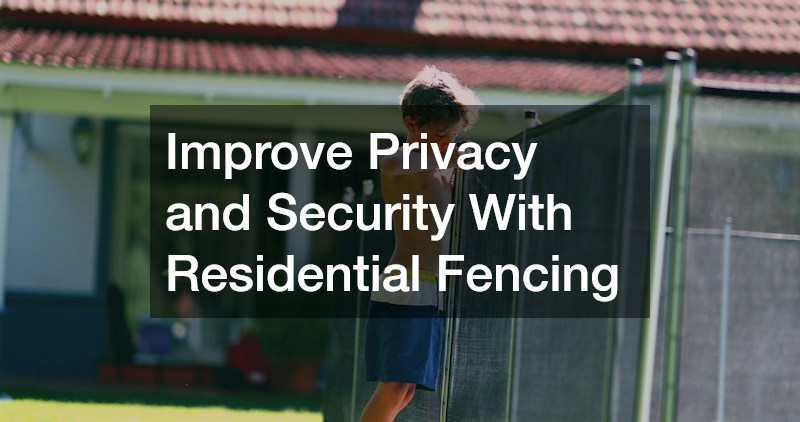
Fencing establishes property boundaries while providing privacy, security, and protection for children and pets. Choosing appropriate materials and placement can also complement your home’s architecture.
Select Materials Based on Your Priorities
Wood fencing provides a traditional appearance and considerable design flexibility but requires periodic maintenance. Vinyl offers relatively low-maintenance alternatives, while aluminum and ornamental metal provide decorative boundaries without completely obstructing views.
Before contacting local fence contractors, determine whether your primary objective is privacy, pet containment, safety, or appearance.
Review local zoning regulations, neighborhood requirements, and applicable pool enclosure standards before finalizing your plans.
Address Placement and Accessibility Early
Proper fence installation requires more than measuring the property’s perimeter. Sloped terrain, soil conditions, underground utilities, and drainage patterns can influence construction.
Consider gate widths and locations carefully, particularly if landscaping equipment or larger vehicles need access.
Obtain written estimates that explain materials, post installation, project timelines, and warranty coverage. Verify property lines before work begins to prevent disputes or costly adjustments.
4. Build Durable Patios and Walkways
Patios and walkways make outdoor spaces more accessible while creating defined areas for entertaining, dining, and relaxation. They can also improve connections between different parts of your property.
Plan Hardscaping Around Daily Activities
Start by considering how people move through your yard. Walkways should provide convenient routes between entrances, driveways, gardens, and recreational spaces.
For patios, measure furniture arrangements and allow adequate room for movement around tables, chairs, and cooking equipment.
Popular materials include poured concrete, pavers, and natural stone. Each offers different installation costs, appearance options, and maintenance requirements.
Prepare the Site for Lasting Results
Proper drainage and ground preparation are essential to hardscape durability. Poorly graded surfaces can collect water or redirect runoff toward your foundation.
A local concrete contractor can evaluate soil conditions, recommend appropriate construction methods, and discuss surface finishes.
Ask about control joints, reinforcement, slip resistance, and expected maintenance. Address existing drainage problems before installing permanent surfaces to avoid expensive corrections later.
Durable hardscaping should support everyday use while fitting naturally into the property’s overall design.
5. Refresh Your Yard With Thoughtful Landscaping
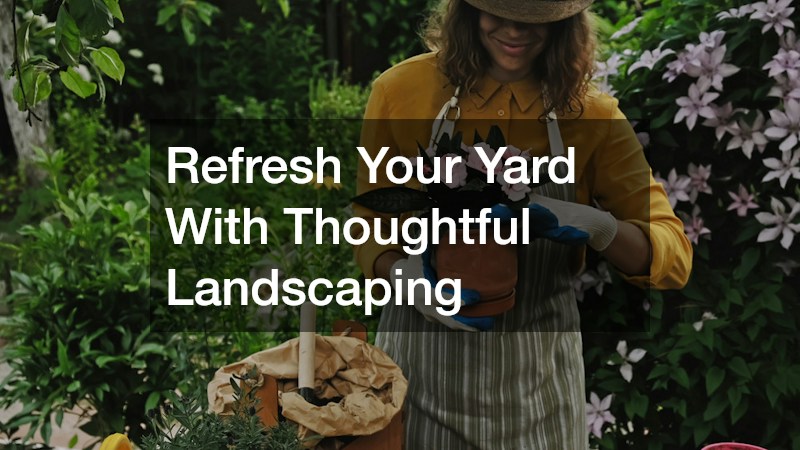
Landscaping improvements can transform unused or unattractive areas into inviting outdoor environments. Successful designs balance appearance with climate conditions, available space, and maintenance requirements.
Choose Plants That Match Your Environment
Consider soil quality, sunlight, drainage, and seasonal weather before selecting plants.
Native and regionally adapted species are often worth exploring because they may require fewer resources once established under suitable conditions.
Combine plants with different heights, textures, and blooming seasons to maintain visual interest throughout the year.
Allow sufficient room for mature growth to prevent overcrowding near buildings, walkways, and utility areas.
Design for Practical, Long-Term Maintenance
Experienced landscaping companies can help develop planting layouts that complement existing structures and address challenging property conditions.
To reduce unnecessary upkeep:
- Group plants with similar watering requirements.
- Use mulch to moderate soil moisture and suppress weeds.
- Incorporate defined planting beds for easier maintenance.
- Select appropriately sized trees and shrubs.
- Consider efficient irrigation where needed.
A thoughtful landscape plan should enhance outdoor enjoyment without creating excessive ongoing work.
6. Make Your Backyard More Comfortable With Mosquito Control
Mosquitoes can interfere with outdoor gatherings and make otherwise enjoyable spaces uncomfortable. Reducing breeding areas is an important part of managing mosquito activity around residential properties.
Eliminate Common Sources of Standing Water
Mosquitoes reproduce in water, including surprisingly small amounts that accumulate around homes.
Inspect your property regularly for:
- Clogged gutters and drainage areas
- Water-filled planters and containers
- Uncovered buckets and outdoor equipment
- Birdbaths that aren’t cleaned frequently
- Poorly drained areas near patios
Empty unnecessary containers, maintain drainage systems, and refresh water in outdoor features regularly.
Outdoor fans can also help reduce mosquito activity around seating areas by creating air movement.
Consider Professional Seasonal Treatments
A local mosquito removal service can inspect your property, identify potential breeding locations, and recommend appropriate control methods.
Ask about treatment schedules, products, safety precautions, and potential effects on pollinators and beneficial insects.
Professional treatments work best when combined with consistent property maintenance. No single treatment can permanently eliminate every mosquito, particularly when nearby properties contain additional breeding sites.
7. Explore Private Water Supply Options
For some rural homeowners, installing a private well can provide access to groundwater where municipal water service is unavailable or impractical.
However, drilling a well represents a substantial investment requiring careful evaluation of geological conditions, regulations, and operating expenses.
Determine Whether a Well Fits Your Needs
Consider anticipated household water consumption, irrigation requirements, and the property’s existing infrastructure.
Costs may include drilling, casing, pumps, pressure tanks, electrical connections, water testing, and treatment equipment.
Groundwater availability varies considerably by location, so successful drilling and adequate water production cannot be guaranteed.
Evaluate Water Quality and Regulatory Requirements
Professionals specializing in local water well drilling can explain local geological considerations, potential drilling locations, and applicable permitting requirements.
Before proceeding, investigate:
- Required permits and property setbacks
- Expected drilling depths and associated costs
- Water testing and treatment requirements
- Pump maintenance and replacement expenses
- Alternatives if water production proves inadequate
Private wells require ongoing monitoring and maintenance. Evaluate the complete ownership cost before deciding whether installation is worthwhile.
8. Restore Worn Concrete Surfaces
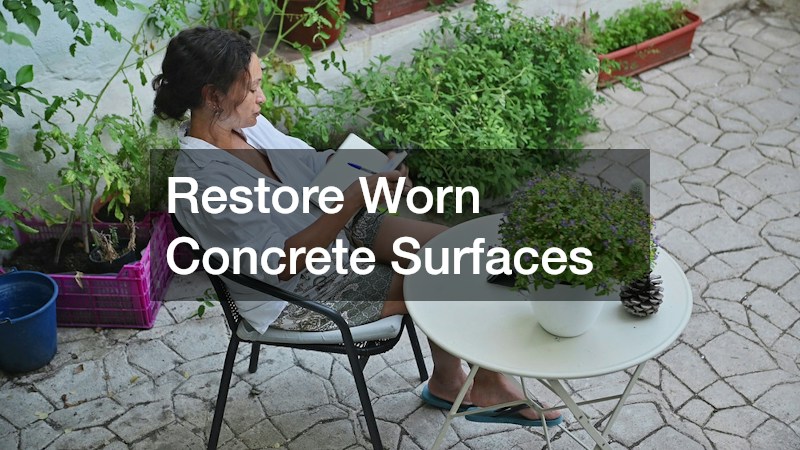
Aging concrete patios, walkways, and outdoor gathering areas can diminish your property’s appearance. Fortunately, some surfaces can be refreshed without complete demolition and replacement.
Determine Whether Restoration Is Appropriate
Begin by examining the existing concrete for cracks, settlement, spalling, and drainage problems.
Minor surface imperfections may be suitable for repairs or resurfacing. However, extensive structural damage or significant movement may require more substantial corrective work.
A professional assessment can help determine whether restoration is practical.
Select a Finish for Your Climate
Decorative staining can change the appearance of existing concrete, while resurfacing systems may provide additional texture or conceal certain imperfections.
A professional stain concrete service can discuss suitable products and surface preparation requirements.
Evaluate UV exposure, moisture conditions, freeze-thaw cycles, and slip resistance when comparing finishes.
Ask whether protective sealing is necessary and how frequently maintenance will be required. Selecting an attractive finish without considering durability can lead to premature wear and additional expenses.
9. Enhance Outdoor Safety With Better Lighting
Outdoor lighting improves visibility after dark while helping define pathways, entrances, and gathering spaces. Carefully positioned fixtures can also highlight architectural details and landscape features.
Prioritize Frequently Used Areas
Start with locations where inadequate visibility creates inconvenience or potential hazards.
Steps, walkways, driveways, and exterior doors generally deserve attention before purely decorative areas.
Low-voltage landscape systems, hardwired fixtures, and solar lighting offer different installation and performance characteristics.
Choose fixtures rated for their intended outdoor exposure, and consult a licensed electrician when electrical modifications are required.
Combine Lighting for Different Purposes
Use pathway lighting for navigation, task lighting near cooking areas, and accent fixtures to illuminate landscaping.
Avoid excessively bright fixtures that create glare or disturb neighboring properties.
Motion sensors, timers, and smart controls can reduce unnecessary energy consumption while improving convenience.
Consider future access for cleaning, adjustments, and bulb or fixture replacement.
10. Design a More Functional Outdoor Entertainment Area
A dedicated entertainment area can make your backyard more useful for family meals, celebrations, and everyday relaxation.
The most successful designs reflect how your household actually spends time outside rather than incorporating expensive features that receive little use.
Build Around Your Family’s Activities
Consider whether you need comfortable seating, dining space, shade, outdoor cooking facilities, or room for children to play.
Pergolas, covered patios, and weather-resistant furnishings can help create defined gathering spaces.
Position cooking equipment safely, allowing appropriate clearances from combustible materials and nearby structures.
Plan for Future Improvements
You don’t need to complete every feature simultaneously. Establish a layout that accommodates future additions without requiring major reconstruction.
Consider electrical access, drainage, storage, lighting, and utility connections during initial planning.
Choose durable materials suited to your climate and establish a realistic maintenance budget.
A thoughtfully designed entertainment area should feel like a natural extension of your home while supporting the activities your family enjoys most.
Make Outdoor Improvements That Support Your Lifestyle
The best outdoor home improvements address your property’s specific needs while making everyday life more enjoyable. Whether you’re improving safety, expanding recreational opportunities, or refreshing existing features, thoughtful decisions can help you make better use of your investment. From upgrading landscaping and walkways to creating comfortable spaces for entertaining, even modest changes can make a noticeable difference in how you experience your home.
Prioritize necessary repairs and structural concerns before committing to decorative upgrades. Evaluate long-term maintenance alongside installation costs, and consider how each improvement contributes to the property’s overall functionality. It’s also important to think about how your needs may change over time. Choosing durable materials, practical layouts, and improvements that complement your home’s existing features can help prevent unnecessary expenses in the future.
You don’t have to complete every project at once. Developing a long-term improvement plan allows you to spread out expenses, address the most important projects first, and ensure that individual upgrades work together. With realistic budgeting, careful planning, and qualified professional assistance where needed, you can create an outdoor environment that remains attractive, practical, and enjoyable for years to come.