 By admin
Flooding is one of the most destructive natural events that can affect a home, leaving behind significant damage and long-term complications if not handled properly. For homeowners, understanding the process of flooding repairs is essential to ensure both immediate recovery and long-term protection. From structural concerns to interior damage, flooding can compromise the safety and functionality of a property. Knowing the right professionals to consult and the strategies to implement is critical for minimizing losses and restoring your home to a livable condition. Flooding is not just an inconvenience—it can lead to mold growth, weakened structural components, and even health hazards if water remains untreated for long periods. The aftermath of a flood can feel overwhelming, but taking prompt action and working with experts such as waterproofing companies, professional roofers, and floor restoration services can streamline the recovery process.
Effective flooding repairs involve a combination of preventive measures, immediate cleanup, and long-term restoration strategies. Attic insulation, landscaping adjustments, and plumbing repair are often necessary components of a comprehensive recovery plan. Flooding requires both patience and expertise, and homeowners benefit from understanding the scope of work involved. By engaging local roofers, restoration specialists, and other professionals, homeowners can address damage efficiently while safeguarding their property against future flooding events. This article provides a detailed guide to help homeowners navigate flooding repairs, including the services of key professionals and strategies for preventing further damage. With careful planning, flooding damage can be effectively managed and even mitigated in the long term.
What Are the Benefits of Hiring Waterproofing Companies?

Expertise in Flood Prevention
Waterproofing companies specialize in protecting homes from water infiltration and potential flooding risks. By assessing the foundation, walls, and roofing systems, these experts can identify vulnerabilities that might otherwise go unnoticed. They use advanced techniques and high-quality materials to seal basements, crawl spaces, and other water-prone areas, helping to prevent future flooding. For homeowners, hiring a waterproofing company is an investment in both safety and property preservation. Professionals from these companies are trained to detect subtle signs of water intrusion, such as dampness behind walls or minor foundation cracks, which, if left unaddressed, can escalate during a severe flooding event.
The benefits extend beyond just prevention. A waterproofing company can provide guidance on long-term maintenance, helping homeowners minimize repair costs over time. By proactively addressing potential entry points for water, these experts reduce the likelihood of recurring flooding problems, giving homeowners peace of mind. Additionally, many waterproofing companies collaborate with local roofers and restoration services to provide a comprehensive flood protection plan. Their expertise is invaluable, particularly in areas prone to seasonal flooding, where the risk of property damage is consistently high.
Long-Term Cost Savings
Investing in waterproofing services can lead to substantial financial savings in the long run. Flooding often causes extensive damage to flooring, walls, and structural elements, resulting in costly repairs. By preventing water intrusion, waterproofing companies help homeowners avoid repeated expenses for floor restoration service, plumbing repair, and even roof repairs caused by moisture damage. The upfront cost of hiring a professional team is often far less than the cumulative expenses associated with untreated water damage and repeated flooding events. Over time, the investment in waterproofing can pay for itself multiple times over by minimizing restoration needs.
Moreover, waterproofing enhances property value and reduces insurance premiums. Many insurance providers recognize the reduced risk of water damage and may offer lower rates for homes with professionally installed waterproofing systems. These savings, combined with the protection of personal property and structural integrity, make hiring a waterproofing company a financially prudent decision. Homeowners who understand the long-term implications of flooding realize that prevention is always more cost-effective than restoration.
How Can a Professional Roofer Assist After Flooding?
Inspecting Roof Damage
A professional roofer plays a vital role in the aftermath of flooding, particularly when water has compromised the integrity of the roof. Flooding often occurs alongside severe storms, which can damage shingles, flashing, and gutters. A roofer inspects the entire roofing system to identify leaks, structural weaknesses, and potential areas where water may continue to enter the home. Their trained eyes can detect subtle signs of damage, such as minor warping or displaced tiles, that homeowners may overlook. Addressing these issues promptly helps prevent additional interior flooding and protects attic insulation from prolonged moisture exposure.
Additionally, roof inspections after flooding are essential for determining the safety of the structure. Water that seeps into roofing materials can cause hidden damage that weakens support beams and decking. By thoroughly evaluating roof conditions, professional roofers ensure that necessary repairs are prioritized and that the home is safe from further flooding risks. Their expertise complements the work of local roofers and restoration specialists, creating a coordinated approach to post-flood recovery.
Installing Necessary Repairs
Once damage is identified, professional roofers can carry out critical repairs to restore the home’s protection against future flooding. Repair work may include replacing damaged shingles, sealing leaks, reinforcing structural components, or installing improved drainage systems. Timely intervention prevents minor issues from escalating into major repairs, reducing costs and mitigating the risk of additional flooding-related damage. Professional roofers also ensure that repairs comply with local building codes, which is essential for insurance purposes and overall property safety.
Furthermore, experienced roofers can recommend upgrades that enhance resilience against future flooding events. Installing waterproof membranes, reinforcing gutters, and optimizing roof pitch are just a few methods used to improve water diversion and prevent pooling. Collaborating with waterproofing companies and local roofers, professional roofers create a comprehensive flood protection strategy that minimizes the likelihood of repeated damage. Their involvement is crucial for restoring both functionality and confidence in the home’s ability to withstand future storms.
Why Should You Consult Local Roofers for Your Needs?

Knowledge of Local Weather Patterns
Local roofers have a deep understanding of regional weather conditions and flooding patterns. This knowledge allows them to anticipate common problem areas and implement repairs and improvements tailored to the local climate. Flooding risks vary by location, and local roofers are familiar with seasonal trends, storm frequency, and areas prone to water accumulation. This insight is invaluable for homeowners seeking to prevent further flooding and ensure the longevity of roof repairs. By leveraging local expertise, homeowners can make informed decisions about restoration priorities and preventive measures.
Local roofers also understand the building materials best suited for the area. Whether certain types of shingles, sealants, or insulation are more resilient to frequent rainfall or heavy storms, local professionals provide recommendations that align with both environmental and structural considerations. Partnering with local roofers ensures that flooding repairs are not only effective immediately but also durable over the long term.
Quick Response Times
One of the greatest advantages of working with local roofers is their ability to respond quickly to emergency flooding situations. After a flood, immediate action is often necessary to prevent further water damage to floors, walls, and attic insulation. Local professionals can arrive promptly to assess damage, provide temporary solutions, and begin necessary repairs. Their proximity ensures that critical interventions, such as roof tarping, leak sealing, and collaboration with restoration services, happen without delay.
Quick response times are especially important when dealing with water-sensitive areas of the home. Prompt attention reduces the risk of mold growth, deterioration of flooring, and weakening of structural components. Homeowners benefit from the combination of local knowledge and rapid deployment, which together form an effective first line of defense against the ongoing effects of flooding.
How Does Attic Insulation Relate to Flooding Repairs?
Preventing Mold Growth
Attic insulation plays a critical role in managing moisture after flooding. When flooding occurs, water can infiltrate ceilings, walls, and attic spaces, creating an environment conducive to mold growth. Proper insulation helps regulate humidity levels and limits condensation, reducing the likelihood of mold spreading throughout the home. Homeowners often overlook the attic during flooding repairs, but moisture retention in this area can compromise structural elements, leading to long-term damage. Evaluating and, if necessary, replacing attic insulation is an essential step in a comprehensive flooding recovery plan.
In addition to moisture control, attic insulation protects against secondary issues caused by lingering dampness. Professional roofers and restoration specialists often coordinate to assess attic conditions, ensuring that insulation is both dry and effective. By addressing these areas promptly, homeowners can prevent the hidden consequences of flooding, such as musty odors, compromised air quality, and weakening of roof supports. Attic insulation is a vital component in maintaining a healthy, structurally sound home after flooding events.
Energy Efficiency Post-Repair
Beyond moisture management, attic insulation contributes to improved energy efficiency following flooding repairs. Water-damaged insulation loses its effectiveness, causing heat loss in winter and heat gain in summer. Replacing or restoring insulation after flooding ensures the home maintains a stable temperature, reducing energy costs and improving comfort. This benefit is particularly important when other restoration work, such as roof repairs or floor restoration service, has been completed, as it complements these efforts by optimizing overall home performance.
Energy-efficient insulation also prevents future issues by providing consistent protection against environmental stressors. By collaborating with professional roofers and local contractors, homeowners can select insulation materials that not only restore efficiency but also enhance long-term resilience against moisture and water intrusion. Proper attic insulation ensures that flooding repairs are thorough and sustainable, minimizing ongoing repair needs and energy waste.
What Is the Role of a Floor Restoration Service in Flooding Repairs?
Assessing Water-Damaged Floors
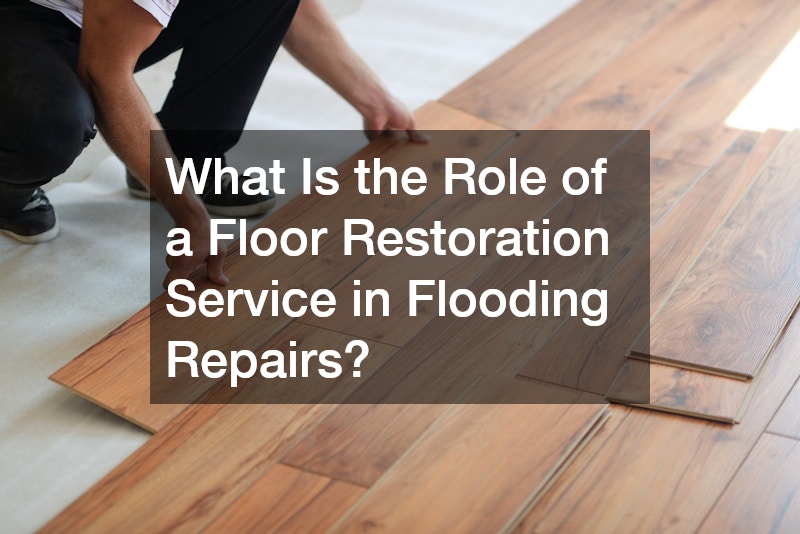
Flooding can wreak havoc on flooring materials, from hardwood and laminate to carpet and tile. Floor restoration services assess the extent of water damage, determining whether floors can be salvaged or require replacement. This evaluation considers factors such as the type of flooring, duration of water exposure, and underlying subfloor conditions. Expert assessment ensures that restoration efforts are targeted and effective, preventing further damage or structural compromise due to undetected moisture.
Assessment often involves moisture mapping, specialized drying techniques, and inspection of adjacent areas that may have been affected by flooding. Floor restoration services work closely with restoration specialists and plumbing repair teams to address both visible and hidden damage. Early and accurate assessment is essential, as prolonged exposure to water can lead to warped wood, mold growth, and deterioration of adhesive layers in laminate or tile flooring.
Restoring or Replacing Flooring
Once damage is assessed, floor restoration services implement appropriate restoration or replacement strategies. Salvageable flooring can often be dried, treated for mold prevention, and refinished to restore its appearance and function. For flooring beyond repair, professional services recommend replacement options that match the home’s style and durability requirements. This process is critical for maintaining home value and ensuring a safe, functional living environment after flooding.
Floor restoration is more than just cosmetic; it addresses structural integrity and hygiene concerns. By coordinating with restoration teams, local roofers, and plumbing repair experts, floor restoration services ensure that repairs are part of a comprehensive recovery strategy. Restoring or replacing flooring after flooding safeguards the home from future water damage and provides homeowners with confidence in the durability of their property.
What Does the Restoration Process Involve?
Steps in the Water Damage Restoration Procedure
The restoration process following flooding is multi-faceted, encompassing several critical steps to ensure the home is fully recovered. Initial actions often include water extraction and drying of affected areas to halt further damage. Once excess water is removed, restoration teams assess structural damage, identify areas at risk for mold growth, and develop a remediation plan. Cleaning and disinfecting surfaces is another essential phase, especially in homes where floodwater may have carried contaminants.
Restoration may also involve coordination with other specialists such as plumbing repair professionals to address pipe leaks, professional roofers to fix ongoing water entry points, and floor restoration services to repair damaged floors. Effective restoration requires a systematic approach, addressing both immediate damage and potential long-term issues that can arise if flooding is not comprehensively managed.
Importance of Professional Restoration Services
Hiring professional restoration services is crucial for thorough recovery after flooding. Experts have the training, tools, and experience to address both visible and hidden damage, ensuring the home is safe and habitable. Attempting DIY flooding repairs may overlook structural weaknesses, mold growth, or waterlogged insulation, leading to recurring problems and higher costs over time. Professionals provide a structured approach, documenting damage for insurance claims and coordinating with other service providers to cover all aspects of home recovery.
Professional restoration also reduces health risks associated with lingering moisture and mold. These services often include monitoring moisture levels, dehumidification, and antimicrobial treatments that homeowners cannot replicate easily. Engaging trained restoration experts ensures that flooding repairs are effective, safe, and aligned with long-term property protection goals, allowing homeowners to move forward with confidence.
How Can an Arborist Help After Flooding?
Assessing Tree Stability
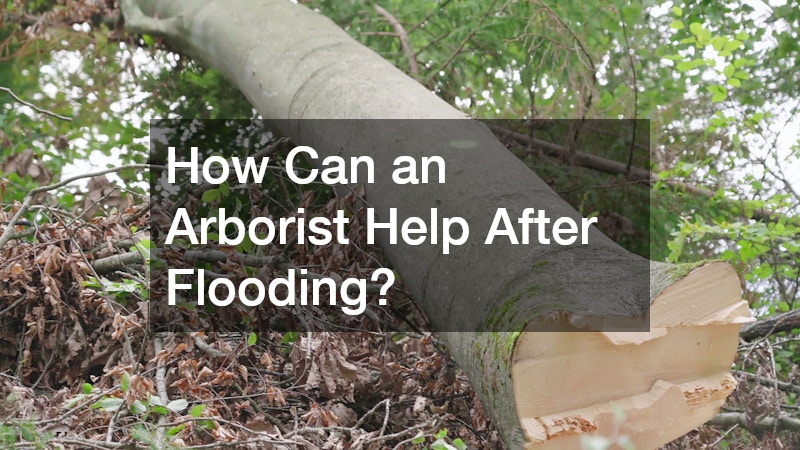
Flooding not only affects structures but also impacts trees and vegetation surrounding a home. An arborist evaluates tree stability after flooding, checking for weakened root systems, leaning trunks, or waterlogged soil that could threaten the property. This assessment is crucial for both safety and property protection, as unstable trees pose risks to buildings, roofs, and landscaping. Arborists are trained to identify subtle damage that may not be immediately visible, ensuring that hazards are addressed before they become emergencies.
Flooding can also increase soil erosion around tree roots, further compromising stability. By consulting an arborist, homeowners gain insight into which trees can be safely retained and which may require removal. This evaluation helps prevent secondary damage from falling trees and contributes to a coordinated restoration effort that includes landscaping, excavating, and drainage improvements.
Tree Organization and Care
Beyond assessment, arborists provide guidance on maintaining tree health after flooding. This may include pruning damaged limbs, supporting stressed trees, and monitoring for disease caused by water saturation. Proper care helps preserve valuable greenery and reduces the need for costly replacement trees in the future. Arborists often collaborate with landscapers and local contractors to integrate tree care into broader restoration plans, ensuring that both aesthetics and safety are considered.
Regular monitoring and maintenance by an arborist can prevent long-term degradation of trees and surrounding landscaping. Their expertise complements flooding repairs, providing homeowners with a sustainable approach to preserving property value and outdoor beauty. Addressing tree health is a critical yet often overlooked element of post-flood recovery that enhances both safety and environmental quality.
Why Are Landscapers Essential After Flood Damage?
Restoring Landscaping Affected by Flooding
Landscaping is often heavily impacted by flooding, with soil erosion, damaged plants, and debris accumulation. Landscapers specialize in restoring yards, gardens, and outdoor spaces to their pre-flood condition. They remove debris, repair soil, and replant vegetation as necessary, ensuring that the exterior of the home reflects careful restoration efforts. Landscaping work also complements interior repairs by addressing water flow, drainage, and erosion control, which are essential to prevent future flooding issues.
Flooding can compact soil, wash away nutrients, and destroy delicate plants, creating a need for professional landscaping interventions. Landscapers bring the knowledge and equipment to rebuild resilient outdoor spaces while coordinating with arborists, excavating crews, and restoration teams to create a unified approach to post-flood recovery.
Preventative Landscaping Techniques
In addition to restoration, landscapers implement preventative measures that reduce the impact of future flooding events. Techniques such as grading the yard, installing drainage solutions, and strategically placing plants can help divert water away from the home and reduce soil erosion. Landscaping decisions made after flooding can have long-term benefits, protecting the property from repeated water damage and reducing the need for frequent restoration interventions.
By integrating preventative strategies into yard design, homeowners benefit from both improved aesthetics and functional flood mitigation. Landscapers work alongside waterproofing companies, local roofers, and excavation experts to develop a holistic approach, ensuring that outdoor spaces support the overall resilience of the property. Proactive landscaping is a key component of comprehensive flooding repairs.
Flooding repairs encompass far more than surface-level fixes; they require a coordinated effort between multiple professionals and a thorough understanding of potential risks. Homeowners who engage waterproofing companies, professional roofers, and local roofers ensure that their homes are structurally sound and protected against future flooding events. Attic insulation, floor restoration service, plumbing repair, and landscaping considerations all play critical roles in restoring functionality and comfort to a property after water damage. Ignoring any aspect of the recovery process can result in recurring problems, mold growth, and structural weakening that compromises safety and property value.
By collaborating with specialists such as arborists, landscapers, and restoration teams, homeowners can address both immediate damage and long-term vulnerabilities. Comprehensive flooding repairs also include preventive strategies that reduce the likelihood of future incidents, including proper drainage, roof maintenance, and water-resistant materials. Understanding the roles of these professionals and implementing their recommendations ensures a safer, more resilient home. In conclusion, a proactive approach, timely action, and professional expertise are essential for navigating flooding repairs effectively. With careful planning and the right team, homeowners can restore their property, safeguard their investment, and enjoy peace of mind knowing that their home is better prepared for any future flooding challenges.